
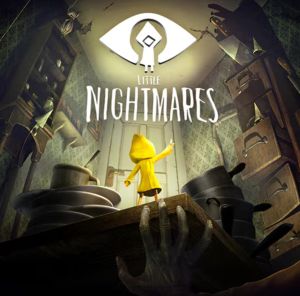
Review
An Immersive Journey into the Dark Corners of Little Nightmares Drawing from years of gaming experience, I approached Little Nightmares with equal parts curiosity and caution. This atmospheric puzzle-platformer offers more than merely a challenge; it presents a captivating narrative wrapped in haunt...



Little Nightmares
An Immersive Journey into the Dark Corners of Little Nightmares
Drawing from years of gaming experience, I approached Little Nightmares with equal parts curiosity and caution. This atmospheric puzzle-platformer offers more than merely a challenge; it presents a captivating narrative wrapped in haunting visuals and intricate gameplay. Set against a backdrop reminiscent of dark fairy tales and surreal horror, the game invites players to explore a world that is at once whimsical and unsettling.
The Art of Immersion and Storytelling
The moment you launch Little Nightmares, you are plunged into an environment that oscillates between eerie silence and sudden bursts of tension. The narrative unfolds through a series of visual cues and environmental storytelling rather than through extensive dialogue. As an experienced gamer, I found that this method of storytelling requires you to observe, deduce, and truly engage with the ambiance around you. The game subtly reveals the history of its tormented world through fleeting glimpses, carefully placed objects, and the lifelike yet haunting design of its characters.
This approach to narrative depth makes every moment feel personal, as if you are piecing together an ancient puzzle. The game's designers clearly invested a significant amount of creativity in ensuring that the story is not spoon-fed but instead earned through exploration. This process of discovery is both rewarding and challenging, making every session unique.
Gameplay Dynamics and Mechanics
One of the most commendable aspects of Little Nightmares is its gameplay mechanics. Rather than relying on repetitive combat or over-simplified puzzles, the game emphasizes stealth, strategy, and critical thinking. The controls are refined, offering an intuitive interface that allows for smooth navigation through grinding corridors and beneath looming ceilings that seem to whisper of past tragedies.
The environment itself is a formidable adversary. Every area is meticulously designed to test your resolve, pushing you to think creatively and outmaneuver obstacles through cunning use of the surroundings. The occasional introduction of tension via stealth sequences creates an exhilarating pulse during gameplay, ensuring that the stakes always feel high. This sophisticated interplay between environment and player actions sets Little Nightmares apart from more conventional adventure titles.
As someone who prefers a well-planned approach when faced with intricate challenges, I found the puzzle elements to be refreshingly original. The game nudges you to experiment with different interactions and alternative pathways. This means that if you ever find yourself stuck on an especially tricky segment, there’s often an unseen mechanic waiting to be discovered, enriching the overall experience.
Visual and Audio Excellence
Little Nightmares is a masterclass in artistic design. The visuals are both beautiful and grotesque, mixing elements of childhood innocence with grotesque, nightmarish imagery. The game doesn’t rely on flashy graphics but instead on subtle hints of beauty and terror interwoven throughout the environment. Shadows dance in unexpected places, creating a sense of foreboding that is both unsettling and hypnotic.
The auditory experience is equally important and carefully curated. Sparse, ambient music coupled with the sound of creaking floors and distant echoes elevate the tension in every corridor. This haunting soundscape immerses you fully into the game’s universe, making every creak and whisper feel deliberately placed. The use of sound to enhance both fear and empathy is a testament to the developers’ commitment to crafting a multi-layered narrative experience.
Transitioning Between Light and Dark Themes
While the overall aesthetic is dark and brooding, there are moments when a faint glimmer of hope pierces the gloom. These rare interludes allow for a moment of respite, encouraging players to persist despite the overwhelming odds. Each step forward feels like a small victory, drawing you deeper into a world where the line between light and dark shimmers with uncertainty.
One of the more profound strengths of Little Nightmares is its ability to evoke complex emotions. The game excels at making you feel both frustration and empathy. With careful pacing and dramatic contrast, moments of eerie calm are interspersed with sudden, adrenaline-pumping sequences that test your reflexes and nerves. This balance keeps the player constantly engaged and curious about what lies around the next corner.
A Challenge Worth Accepting
For gamers who relish a challenge, Little Nightmares lives up to the expectations. Every section of the game introduces new puzzles and obstacles, avoiding the monotony that can occur in other titles within the genre. Instead, the game fosters a sense of urgency and discovery that keeps you gripped from start to finish. Each unique segment not only elevates the tension but also rewards persistence with memorable visual rewards and shifts in the narrative's mood.
Moreover, the lack of overt guidance forces players to rely on their intuition. While this can be daunting at first, it becomes an enjoyable part of the experience as you begin to understand the logic behind each enigmatic clue. The game intentionally leaves gaps for interpretation, encouraging community discussions and slower-paced collaborative problem solving. For those who appreciate hidden depth in their gaming adventures, Little Nightmares demands a level of intellectual engagement that is truly refreshing.
The Role of Exploration and Environment Interaction
Exploration is central to the experience. The meticulously designed levels allow players to immerse themselves fully in the game’s immersive atmosphere. Each corner holds its own secrets, waiting to be uncovered by someone willing to look beyond the obvious. From crumbling architecture to eerie abandoned rooms, the setting itself tells a story—one that is both hauntingly beautiful and intellectually stimulating.
As an experienced gamer, I particularly enjoy how the game balances freeform exploration with guided narrative cues. Every interaction feels purposeful, and the risk-reward dynamic of venturing into the uncharted areas adds an irresistible allure. Whether you decide to explore cautiously or push forward boldly, the reward is always a deeper appreciation of the game’s intricate design.
This design philosophy ensures that no two sessions are exactly the same. The elements of unpredictability, combined with carefully placed surprises, keep you on your toes no matter how well you think you know the game. This is particularly refreshing in an era where many titles ship with a predetermined linear path and little room for organic discovery.
Strategic Elements and Critical Thinking
Delving into the mechanics further, it’s clear that Little Nightmares is not a game of brute force. It is a test of wit and patience, rewarding those who think ahead and meticulously plan their moves. The unpredictability of some puzzles means that you may have to try multiple approaches before hitting upon the correct solution. This game champions the virtue of persistence and encourages creative problem-solving.
Beyond puzzles, the game also subtly incorporates elements of resource management. Every movement is a strategic decision. The careful balance between exploration and conservation of effort or equipment underlines its complexity. Since you often have to navigate treacherous environments where the wrong move can result in an abrupt setback, the game demands constant vigilance and fanatical attention to detail.
The dynamic nature of Little Nightmares ensures that it remains engaging long after the first playthrough. There are layers of challenge embedded within the narrative, encouraging multiple plays to uncover every hidden nuance. These elements make it a treasured title for strategic thinkers, demonstrating that true gaming excellence lies in the ability to marry narrative depth with gameplay complexity.
Control and Interface: Seamless Yet Thoughtful
The control scheme in Little Nightmares is elegantly designed. With minimalistic input functions, the interface never feels cluttered or intrusive. Every button press is meaningful, and this simplicity only elevates the overall experience by ensuring that nothing stands between the player and the ever-threatening surroundings.
Part of what makes the control system appealing is its seamless integration into the narrative. The mechanics are introduced gradually, with intuitive guidance that requires only minimal instruction. The lack of overt on-screen prompts allows for a more immersive exploration, letting you absorb the eerie setting without feeling constrained by complicated controls.
This aspect is particularly important when playing on different devices and modes. Whether you choose to download the game to your favorite console, play it on a PC setup, or even explore alternatives on mobile, the controls adapt gracefully, retaining the core experience regardless of the platform.
Evolving Replay Value and Community Engagement
Little Nightmares offers a significant replay value that warrants attention. The design intricacies, combined with several layers of narrative and puzzle elements, make each subsequent playthrough a fresh experience. As an experienced gamer, I appreciate a game that rewards curiosity and persistence. The journey becomes increasingly engaging as you uncover hidden sections and alternate pathways that hint at backstories and side narratives.
The community around the game has grown, sharing insights on creative ways to overcome particularly challenging segments. Gamers share tips, strategies, and even corrections to puzzles that may initially seem insurmountable. This community-driven exploration enriches the overall experience and allows for a deeper collective appreciation of the game’s clever design.
Additionally, the game’s open-ended nature means that players often discuss potential cheats and mods that might offer different perspectives on the narrative or gameplay. While the developers have maintained tight control over the core experience, third-party modifications occasionally surface, further emphasizing the game’s deep-rooted influence on the gaming community. These alternative approaches allow for creative experimentation, adding another layer to the gameplay that veteran gamers can truly appreciate.
A Unique Experience on Multiple Platforms
In today’s multi-device gaming landscape, Little Nightmares stands tall as a title that transcends conventional boundaries. Whether you choose to download the game on your PC, play it on a console, or explore experimental versions on platforms that even include support for unblocked access in restricted environments, its charm remains undiminished. Being available across several platforms makes it accessible to a diverse audience.
The version you choose may depend on your hardware capabilities. Even if you haven’t got the latest rig, the game is optimized to run smoothly while preserving its eerie graphics and deep atmospheric soundscapes. For those who enjoy diving into classic arcade setups or even retro-inspired emulators, the game offers a unique experience that is both modern and nostalgic.
Moreover, the game frequently receives updates that cater to a range of systems, making it easier to install and run without excessive configuration. This adaptability across platforms ensures that whether you aim to play a new download on a state-of-the-art console or study its mechanics on a legacy system, Little Nightmares continues to deliver an enthralling experience every time.
Final Thoughts: A Haunting Masterpiece
After countless hours immersed in the mysterious halls and ominous passageways of Little Nightmares, I can confidently assert that this game is a true work of art. It seamlessly blends visual storytelling with ingenious gameplay, offering an experience that is both deeply personal and universally challenging. Every moment is crafted with deliberate care, ensuring that players are constantly kept on edge while delivering a rewarding challenge in every segment.
The way Little Nightmares encourages strategic thinking and careful observation makes it stand out as an exemplary title in the horror-adventure genre. The design choices speak directly to gamers who crave substance over spectacle, delivering an experience that is as intellectually demanding as it is aesthetically striking. Its detailed environments, subtle narrative clues, and re-playability factor cements its status as a must-try title for anyone eager to explore the darker narratives hidden within the gaming world.
For those planning to download and install this game, you are in for an unforgettable journey that will test your nerves and creativity. Whether you choose to explore different play modes or seek out innovative mods that provide fresh challenges, little Nightmares offers a rich, evolving experience that is sure to leave a lasting impression on both newcomers and seasoned players alike.
How to download Little Nightmares
Little Nightmares can be accessed from a variety of sources. Many gamers can download it directly from popular digital distribution services, while others may find versions that allow you to play it for free through trial periods. It is available to install across multiple platforms including PC, consoles, mobile, and even some legacy systems. The game does not require an emulator or cloud service for most installations, although certain setups may offer cloud-based play options.
To install the game, simply follow the standard steps provided by your digital store of choice. Download the installer, run it, and follow the on-screen instructions to complete the installation process. The minimum system requirements for PC include a modest CPU, sufficient RAM, and a compatible graphics card capable of handling the game’s atmospheric visuals. There are also guides available for Mac and Android users outlining the basic requirements.
While the game is designed to function without the need for external adjustments, cheats and mods can sometimes be found within the community, though they are generally unofficial enhancements. For players in restricted environments like schools or workplaces, options for unblocked play are available on select platforms, ensuring that the game’s engaging experience remains accessible even under limited conditions.
Pros:
- Immersive atmosphere that draws players into the game world
- Innovative puzzles that encourage creative problem-solving
- Unique narrative delivered through environmental storytelling
- Stunning visual design and haunting audio that enhance the mood
- High replay value with hidden secrets and alternate pathways
- Intuitive controls that integrate seamlessly with the gameplay
Cons:
- Some puzzles can feel ambiguous and may frustrate less experienced players
- The lack of overt narrative guidance might confuse players
- The difficulty level can sometimes feel uneven across different segments